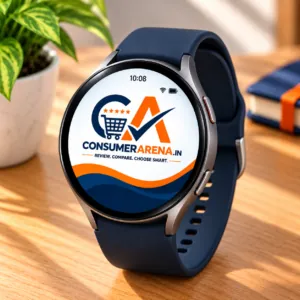








Smartwatches look alike on a shop shelf: a bright screen, a strap and a long list of features. The differences show up after a week, when one watch needs charging every night and another is still going, or when a screen that looked great indoors turns unreadable in the sun. To choose the right smartwatch, start with how you will wear it every day, not with the feature list on the box.
Start With What You Want From the Watch
Most buyers fall into one of three groups, and each group should look at different things first.
If you mainly want to see calls and messages without pulling out your phone, the screen, comfort and battery matter most. You can ignore advanced sports features. If you run, cycle or go to the gym, you will care about built-in GPS, steady heart-rate readings and a battery that survives long workouts. If you are curious about sleep and daily activity, you need a watch comfortable enough to wear all night, and a battery that lets you charge it at a convenient time.
Decide which group you belong to before you compare anything. It stops you paying for features you will never open.
Display: The Part You Look at All Day
A good screen makes everything else easier. Look at three things: size, brightness and how the screen behaves when you are not looking at it.
Brightness decides whether you can read the time on a sunny road or a cricket ground. Watches with vivid screens, often listed as AMOLED, show deeper blacks and stronger colours, and they usually stay readable outdoors. Cheaper screens can look washed out in daylight, even if they seem fine in the shop.
An always-on screen keeps the time visible without lifting your wrist, which feels natural, but it costs battery. If the screen wakes when you raise your wrist, you lose almost nothing in daily use and gain extra days of battery. Square screens show more text in messages. Round ones look like a classic watch but show fewer words at a time.
A larger screen is easier to read, but on a small wrist it can feel bulky. Try the size on your wrist, or compare the case size on the listing with a watch you already wear.
Battery Life: How Often Will You Charge?
This is the question buyers forget to ask, and the one they regret most. A watch you have to charge every night is a watch you will sometimes forget to wear.
The battery life on the box usually comes from light use. Calling, GPS tracking, a bright always-on screen and constant notifications all shorten it, sometimes by half or more. If a watch claims about a week, expect a few days when you use it heavily. Some models list a second figure for heavy use, and that number is closer to real life if you exercise often.
If you want to wear the watch to bed for sleep tracking, a longer battery helps, because you will not want to charge it at night. A watch that needs a daily top-up still works well if you charge it while you shower or sit at your desk. Fast charging helps here, since a short charge can cover a full day.
Calling, GPS and Other Features: Pay Only for What You Use
Bluetooth calling lets you answer calls from your wrist while your phone stays in your pocket or bag nearby. It is handy when your hands are full. It is not a replacement for your phone, because the watch still needs the phone to be close.
Some watches take their own SIM card and work without your phone. This needs a separate mobile plan, and it makes sense mainly for people who want to leave the phone behind, or for children's watches that help parents stay in touch. For most adults it is an extra cost they never use.
Built-in GPS records your walk, run or ride route without your phone. If you exercise outdoors and like to leave your phone at home, it is worth having. If you mostly walk indoors or at the gym, you can skip it and save money. Music storage, voice assistants and contactless payments are pleasant extras, so treat them as tie-breakers, not reasons to buy.
Water Resistance: What the Rating Means for You
Almost every watch claims some water protection, but the ratings mean very different things. Check the rating before you take the watch near water.
| What the listing says | What it means for you |
|---|---|
| Splash or sweat resistant | Fine for rain, sweat and washing hands. Keep it out of the pool. |
| 3 ATM | Handles rain and hand washing. Not meant for swimming. |
| 5 ATM | Safe for showers and for swimming in a pool. Not for diving or fast water sports. |
| IP67 or IP68 | Tested for dust and for staying still underwater for a short time. Swimming is a different matter, so look for an ATM rating as well. |
Hot water and steam can weaken the seals over time, so avoid long hot showers and saunas even with a good rating.
Health Features: Helpful Guides, Not a Doctor
Heart rate, sleep, blood oxygen and stress readings are popular, and they are most useful for spotting your own patterns over weeks. Are you sleeping more, are you more active, does your resting heart rate fall as you get fitter? Treat the numbers as trends, not as medical results.
Readings from the wrist can differ from a clinical device, especially during hard exercise or if the strap is loose. A snug fit improves accuracy, so choose a strap size that sits flat on your wrist without pinching. If a reading worries you, talk to a doctor rather than relying on the watch.
Will It Work With Your Phone?
Check this early, especially if you use an iPhone or a less common Android phone. Watches usually work best with the type of phone they were designed for, and some features, such as replying to messages or using the full companion app, can be limited on other phones. The compatibility line on the listing tells you. Also make sure you are comfortable with the companion app, because you will open it to see your history and change settings.
Comfort, Straps and Build
You will wear this for most of the day, so comfort counts for more than a feature you use once a month. Silicone straps suit workouts and sweaty days and are gentle on most skin, while metal and leather-style straps look smarter in the office. Choose a watch with replaceable straps so you can change the look later.
A lighter watch is easier to sleep with. If your skin itches under the strap, take the watch off for a while and let it breathe.
How Much Should You Spend?
Think in three bands. Entry-level watches cover the basics well: notifications, step counting, heart rate and simple sleep tracking, with a screen that is fine indoors. Mid-range watches usually add a brighter screen, built-in GPS, better sensors and a stronger build. Premium watches add better materials and deeper fitness and health tools.
If your budget is tight, spend on the screen and the battery first, because you notice them every day. Extra features can wait.
Common Buying Mistakes
- Buying on the number of features instead of the few you will use daily.
- Trusting the battery claim without looking for the heavy-use figure.
- Choosing a watch that is too large or too heavy for your wrist.
- Assuming "water resistant" means safe for swimming.
- Paying extra for a SIM version that will never hold a SIM.
- Ignoring phone compatibility until the watch is already on your wrist.
Buying Checklist
- A screen you can read outdoors, in a size that suits your wrist.
- A battery that fits your charging habit.
- A water rating that matches what you really do: showers, the pool, or neither.
- GPS only if you exercise outdoors without your phone.
- Compatibility with your phone confirmed.
- A comfortable, replaceable strap.
Frequently Asked Questions
Can a smartwatch replace my phone?
No. Most watches rely on your phone for messages, calls and updates. Watches with their own SIM can handle calls and a few apps alone, but they still work best as a companion to a phone.
Do I need built-in GPS?
Only if you walk, run or cycle outdoors and want an accurate route without carrying your phone. If you mostly exercise indoors, you can save money by skipping it.
How long should a smartwatch battery last?
It depends on how you use it. A few days suits most people, and a week or more is a real convenience. Look for the heavy-use figure if you exercise often or take calls on the watch.
Can I swim with any smartwatch?
No. Swimming needs a proper water rating such as 5 ATM, and even then it is meant for pools, not diving or fast water sports. Splash resistance alone is not enough.
Are smartwatch health readings accurate?
They are good for spotting trends in your sleep, activity and heart rate over time. They are not medical devices, so speak to a doctor about any health concern.
Is a smartwatch or a fitness band better?
A band is lighter and usually lasts longer between charges, which suits simple step and sleep tracking. A smartwatch gives you a bigger screen and more features. Choose by the features you will actually use.
ConsumerArena Recommendation
Pick the watch that fits your wrist and your charging habit first, then the screen, then the features. A comfortable watch with a readable screen and a battery you do not worry about will get more use than a feature-packed one that sits in a drawer. Match the water rating to your real routine, confirm that it works with your phone, and spend only on the extras you will use every week.